
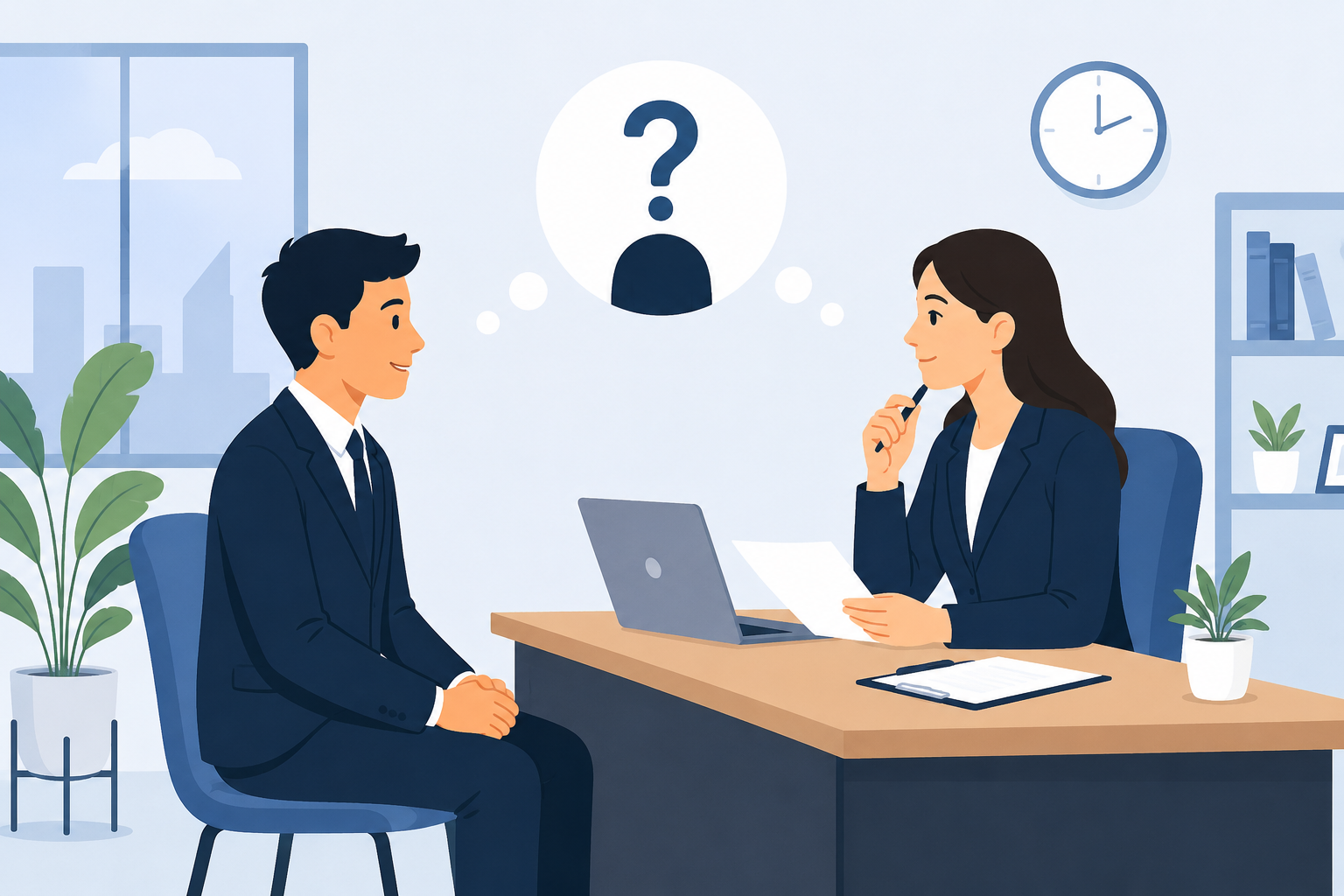
Getting your first job is exciting, but interviews can be stressful when you don't know what to expect. Many freshers worry about not having enough experience or saying the wrong thing during an interview. The truth is, recruiters don’t expect you to know everything. They mainly want to understand your attitude, communication skills, confidence, and willingness to learn.
Preparing for common interview questions can make a big difference. It helps you answer confidently and leaves a good impression on the interviewer.
In this blog, we’ll cover the most common interview questions that freshers should prepare for, along with simple tips for answering them.
1. Tell Me About Yourself
This is usually the first question in almost every interview. It helps the interviewer understand who you are.
How to Answer
Keep your introduction short and focused. Mention:
* Your name
* Your educational background
* Relevant skills
* Career goal
Example
"My name is Rahul Sharma. I recently completed my B.Com. at XYZ College. During my studies, I developed strong communication and MS Excel skills. I’m looking for an opportunity to learn, grow, and contribute to the company's success."
Tip: Keep your answer within one minute.
2. Why Do You Want to Work With Our Company?
This question checks whether you've researched the company.
How to Answer
Mention what you like about the company, such as:
* Company reputation
* Learning opportunities
* Career growth
* Company values
Example
"I have read about your company, and I'm impressed by your work culture and growth opportunities. I believe this is the right place to start my career and strengthen my professional skills."
3. What Are Your Strengths?
Don't simply say, "I'm hardworking."
Instead, explain your strengths with confidence.
Some excellent strengths include:
* Quick learner
* Positive attitude
* Good communication
* Team player
* Time management
* Problem-solving skills
Example
"One of my biggest strengths is that I learn quickly. I enjoy taking on new challenges and always try to improve myself."
4. What Is Your Biggest Weakness?
This question is not meant to reject you. Interviewers want to know whether you're aware of your areas for improvement.
Choose a genuine but manageable weakness.
Example
"Earlier, I hesitated while speaking in front of groups. To improve, I started participating in college presentations and group discussions. I'm much more confident now and continue working on it."
Avoid saying you have no weaknesses.
5. Why Should We Hire You?
This is your chance to explain why you're the right candidate.
Example
"Although I'm a fresher, I'm eager to learn, work hard, and adapt quickly. I believe my communication skills, positive attitude, and willingness to take responsibility will help me contribute to your team."
6. Where Do You See Yourself in Five Years?
The interviewer wants to know whether you're serious about your career.
Example
"In five years, I hope to grow professionally, take on greater responsibilities, and become a valuable member of the organization."
Keep your answer realistic.
7. Tell Me About a Challenge You Faced
Freshers may not have work experience, so you can talk about a college project, internship, or event.
Example
"During my final-year project, our team had a short deadline. We divided the work, supported each other, and completed the project on time. It taught me teamwork and time management."
8. Are You Comfortable Working Under Pressure?
Most companies ask this because every job has deadlines.
Example
"Yes. I believe proper planning and prioritizing tasks help me stay calm and complete work on time."
9. Do You Have Any Questions for Us?
Never answer "No."
Ask simple and meaningful questions like:
* What does the training process look like?
* What skills are most important for success in this role?
* How is employee performance evaluated?
* What growth opportunities does the company offer?
It shows that you're genuinely interested in the role.
Extra Interview Tips for Freshers
Preparing answers is important, but your behavior during the interview also matters.
Here are a few simple tips:
* Reach the interview venue at least 15 minutes early.
* Dress neatly and professionally.
* Carry multiple copies of your updated resume.
* Maintain eye contact while speaking.
* Listen carefully before answering.
* Speak honestly and confidently.
* Keep your phone on silent mode.
* Thank the interviewer before leaving.
Common Mistakes to Avoid
Many freshers lose opportunities because of small mistakes.
Avoid these:
* Speaking too fast.
* Giving very long answers.
* Interrupting the interviewer.
* Criticizing previous internships or colleges.
* Providing incorrect information.
* Appearing overconfident or uninterested.
* Forgetting basic details mentioned in your resume.
Being polite and confident often leaves a stronger impression than trying to give perfect answers.
Final Thoughts
Every interview is a learning experience. Even if you're a fresher with no professional experience, you can still do well by preparing in advance and staying confident.
Interviewers understand that fresh graduates are at the beginning of their careers. They are more interested in your attitude, communication, willingness to learn, and ability to grow with the organization than in years of experience.
Take some time to practice these common interview questions, learn about the company before the interview, and believe in your abilities. A little preparation can make a big difference and help you take the first step toward a successful career.
Frequently Asked Questions (FAQs)
1. What is the most common interview question for freshers?
The most common question is "Tell me about yourself." Preparing a clear and confident introduction creates a strong first impression.
2. How long should my interview answers be?
Keep your answers short and relevant. Most responses should be around 30 to 60 seconds unless the interviewer asks for more details.
3. Is it okay to say "I don't know" during an interview?
Yes. If you're unsure, be honest and express your willingness to learn instead of guessing.
4. What should freshers carry to an interview?
Carry multiple copies of your resume, educational documents, identity proof, passport-size photographs (if required), and a notebook with a pen.
5. How can I reduce interview nervousness?
Practice common interview questions, research the company, arrive early, and remember that the interview is a conversation to understand your potential—not just a test.


